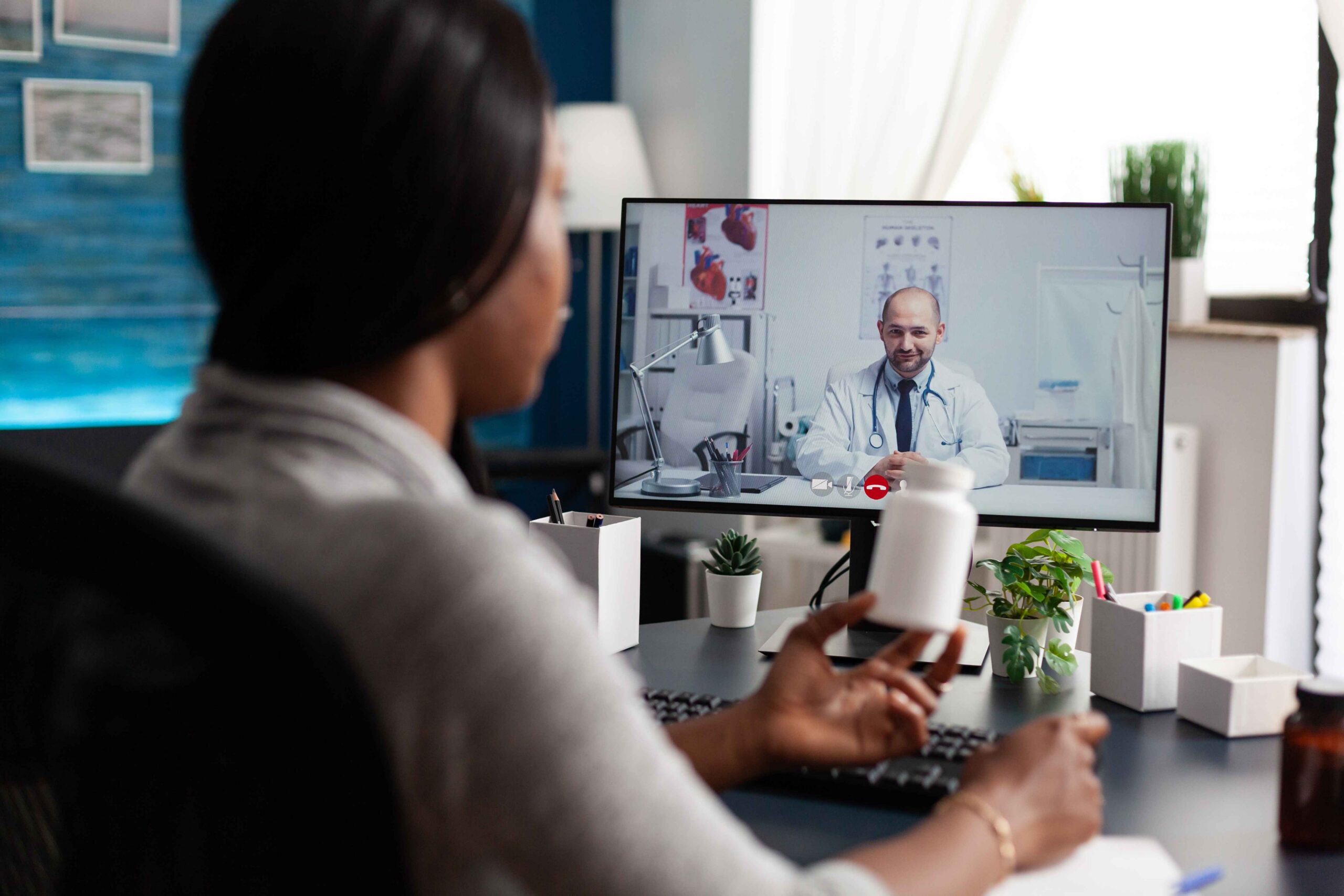
Telehealth Is Borderless, Communication Is Not
Telehealth has significantly expanded access to healthcare delivery, enabling patients to consult specialists without geographical limitations. Today, virtual platforms support diagnosis, monitoring, and treatment across borders.
However, while technology removes distance, language remains a critical barrier. When patients and healthcare providers do not share a common language, the risk is not just operational, it is clinical.
A misinterpreted symptom or unclear medication instruction can directly affect patient outcomes. In virtual consultations, where physical examination is limited, communication becomes the primary diagnostic tool.
This is where structured telehealth interpreting services and telehealth translation become essential to ensure safe, accurate, and scalable healthcare delivery.
The Growth of Telehealth and Cross-Border Healthcare Delivery
The adoption of telehealth has accelerated significantly due to digital health innovation and increasing demand for remote care.
Telehealth platforms now support:
- Virtual consultations across regions
- Remote diagnostics and follow-ups
- Digital prescriptions and treatment plans
- Post-treatment monitoring
- Cross-border second opinions
Healthcare providers, hospitals, and digital health platforms are increasingly serving international patient populations. As this expansion continues, medical translation for telemedicine plays a key role in enabling consistent communication across languages.
Why Medical Translation Is Critical in Telehealth Environments
Telehealth consultations often involve patients and clinicians who do not share the same language. Without accurate communication, clinical information can be misunderstood.
Professional medical translation for telehealth platforms ensures:
- Precise communication of symptoms
- Accurate medical history documentation
- Clear diagnosis and treatment planning
- Correct understanding of prescriptions
Medical communication is highly sensitive. Even minor inaccuracies can lead to incorrect interpretation of symptoms or treatment instructions.
For example, confusion between similar symptoms or incorrect dosage interpretation can directly alter treatment decisions in a telehealth consultation. This is why domain-specific expertise is essential in healthcare translation.
The Role of Medical Interpretation in Virtual Consultations
While translation supports written medical content, medical interpretation enables real-time communication during consultations.
Through remote medical interpretation, interpreters join telehealth sessions to facilitate clear conversations between patients and providers.
They support:
- Symptom explanation
- Medical history discussions
- Diagnostic communication
- Treatment instructions
This ensures that both parties fully understand each other, reducing the risk of miscommunication in critical care scenarios.
Remote Interpretation: Enabling Scalable Telehealth Services
Telehealth platforms rely on video and audio communication, making remote medical interpretation a natural extension of virtual care.
It enables:
- Real-time video consultations with interpreters
- Telephone-based medical support
- Emergency communication assistance
- Cross-border healthcare access
This approach allows healthcare providers to serve multilingual populations without requiring physical interpreter presence, improving scalability and accessibility.
In practice, many telehealth providers integrate remote interpretation as a standard part of patient consultations to ensure consistent communication across diverse populations.
Clinical Accuracy in Virtual Care: Why Precision Matters
Medical communication requires precision because it directly influences diagnosis and treatment.
Key information that must be translated accurately includes:
- Symptoms and patient descriptions
- Medical history and prior conditions
- Allergies and medications
- Diagnostic reports
In telehealth settings, where physical examination may be limited, providers rely more heavily on patient communication. This makes accurate multilingual telehealth communication essential for clinical reliability.
In telehealth environments, even small communication gaps can have disproportionate clinical impact compared to in-person care.
Cultural Context in Healthcare Communication
Effective telehealth translation involves more than direct language conversion. Cultural context plays an important role in how patients describe symptoms and interpret medical advice.
For instance, expressions of pain or discomfort may vary across cultures.
Culturally adapted communication improves:
- Patient understanding
- Trust in healthcare providers
- Engagement during consultations
This is particularly important for patient-facing materials such as forms, instructions, and digital interfaces.
Data Privacy and Compliance in Telehealth Translation
Telehealth platforms handle sensitive patient data, including medical histories and treatment information.
Translation and interpretation workflows must comply with established regulations such as:
- HIPAA (US healthcare data protection standard)
- GDPR (European data protection regulation)
Secure handling of patient information is essential when delivering Medical Interpretation Services for Healthcare UK and other regulated environments.
What Needs Translation in a Telehealth Ecosystem
Telehealth platforms generate multiple types of content that require accurate translation.
These include:
- Patient intake forms
- Consultation summaries
- Diagnostic reports
- Prescription instructions
- Platform interfaces
- Patient education materials
Consistency across these touchpoints ensures reliable communication throughout the patient journey.
Risks of Operating Telehealth Without Professional Translation
Without structured telehealth translation and interpretation support, telehealth platforms may face:
- Miscommunication between patients and providers
- Increased risk of clinical errors
- Reduced patient trust
- Compliance and legal risks
- Barriers to global expansion
In healthcare, communication gaps are not just operational issues, they can directly impact patient safety.
What Happens When Telehealth Communication Fails?
- Misdiagnosis due to unclear symptom description
- Incorrect medication usage
- Delayed treatment decisions
- Increased legal and compliance exposure
In virtual healthcare, communication is not a support function—it is a core clinical dependency.
How Professional Medical Translation Supports Global Telehealth
Professional Medical Translation Services ensure accurate handling of clinical documents and patient records. In live consultations, interpretation services support clear communication between patients and healthcare providers.
They provide:
- Access to trained medical linguists
- Consistent terminology across documentation
- Accurate patient-provider communication
- Secure handling of sensitive data
- Support for international expansion
With structured language support, telehealth providers can deliver safe and scalable healthcare globally.
Choosing the Right Medical Translation Partner
Selecting a partner for medical translation for telehealth platforms requires careful evaluation.
Key factors include:
- Healthcare domain expertise
- Understanding of telehealth workflows
- Compliance with data protection standards
- Multilingual capabilities
- Quality assurance processes
A reliable provider ensures both accuracy and compliance.
Why LingArch for Telehealth Translation
LingArch provides specialised Medical Interpretation Services and translation support for healthcare providers, hospitals, and digital health platforms.
With a focus on clinical accuracy, secure workflows, and domain expertise, LingArch enables organisations to deliver multilingual telehealth services with confidence.
Conclusion: Language as a Core Component of Digital Healthcare
Telehealth continues to expand access to healthcare globally. However, its effectiveness depends on clear and accurate communication.
Telehealth Interpreting Services and professional translation ensure that patients and providers understand each other clearly, regardless of language.
Organisations that invest in professional medical translation and interpreting are better positioned to deliver safe, compliant, and scalable virtual care. With LingArch, healthcare providers can expand telehealth services globally while maintaining clinical accuracy and patient trust.
Frequently Asked Questions
Why is medical translation important in telehealth?
Accurate translation ensures correct diagnosis, treatment, and patient safety in multilingual virtual consultations.
What is telehealth interpreting?
It enables real-time communication between patients and healthcare providers through trained medical interpreters.
Can telehealth work without translation services?
It can, but it increases the risk of miscommunication, clinical errors, and compliance issues.
Is medical translation regulated?
Yes, it must comply with data protection and healthcare standards such as HIPAA and GDPR.